Month: April 2026

no flour no sugar diet pdf

The No Flour‚ No Sugar Diet‚ popularized by Dr. Gotts‚ offers a complete reset for your body‚ focusing on eliminating refined carbohydrates for lasting health benefits.

This sensible eating guide‚ detailed in a no flour no sugar diet pdf‚ aims to help you achieve and maintain your ideal weight throughout life.

What is the No Flour‚ No Sugar Diet?

The No Flour‚ No Sugar Diet‚ as outlined in a comprehensive no flour no sugar diet pdf‚ is a dietary approach centered around eliminating all forms of flour – wheat‚ white‚ and even gluten-free varieties – alongside all added sugars.

It’s more than just restriction; it’s a lifestyle shift promoting whole‚ unprocessed foods. This diet emphasizes lean proteins‚ healthy fats‚ and non-starchy vegetables‚ aiming to boost fat burning and improve overall health‚ offering a sensible guide for sustainable weight management.

The Core Principles: Elimination of Refined Carbohydrates

A no flour no sugar diet pdf details the central tenet: complete removal of refined carbohydrates. This includes not only obvious sources like bread and pasta‚ but also hidden sugars in processed foods and drinks.

The focus shifts to stabilizing blood sugar and reducing inflammation by prioritizing whole‚ unprocessed foods. This elimination strategy aims to break the cycle of cravings and promote a healthier metabolic state‚ fostering long-term well-being.

Benefits of Adopting the Diet

A no flour no sugar diet pdf highlights potential benefits like weight loss‚ improved blood sugar control‚ and reduced inflammation‚ leading to increased energy and overall health.

Weight Loss Potential

A no flour no sugar diet pdf emphasizes that eliminating these ingredients can significantly boost fat burning. By restricting sugar and flour‚ the diet aims to minimize blood sugar spikes and crashes‚ reducing cravings and promoting a feeling of fullness.

This approach supports a meal plan designed to help you lose weight without constant hunger‚ making it a sustainable path towards achieving your desired physique and maintaining a healthy weight long-term.

Improved Blood Sugar Control

A no flour no sugar diet pdf highlights the diet’s effectiveness in stabilizing blood glucose levels. Removing refined carbohydrates prevents rapid spikes and subsequent crashes‚ leading to more consistent energy throughout the day.

This dietary approach is beneficial for those seeking to manage their blood sugar‚ avoiding the pitfalls of sugary snacks and flour-based foods that contribute to insulin resistance and potential health complications.

Reduced Inflammation

A no flour no sugar diet pdf emphasizes the link between sugar‚ flour‚ and systemic inflammation. Eliminating these ingredients can significantly reduce inflammatory markers within the body‚ potentially alleviating symptoms associated with various chronic conditions.

By focusing on whole‚ unprocessed foods‚ this diet supports the body’s natural healing processes and promotes overall well-being‚ fostering a healthier internal environment.

Foods to Embrace on the Diet

A no flour no sugar diet pdf highlights lean proteins like chicken and fish‚ healthy fats from avocados and olive oil‚ and non-starchy vegetables as staples.

Berries and apples can be enjoyed in moderation.

Lean Proteins: Chicken‚ Fish‚ and Turkey

According to a no flour no sugar diet pdf‚ prioritizing lean proteins is crucial for satiety and muscle maintenance while restricting carbohydrates.

Chicken‚ fish‚ and turkey provide essential amino acids without the added sugars or flours found in many processed protein sources.

These options support weight loss and overall health‚ forming the foundation of many meals within this dietary approach.

Healthy Fats: Avocados‚ Olive Oil‚ Nuts

A no flour no sugar diet pdf emphasizes incorporating healthy fats for sustained energy and nutrient absorption.

Avocados‚ olive oil‚ and nuts are excellent choices‚ providing monounsaturated and polyunsaturated fats beneficial for heart health and reducing inflammation.

These fats also contribute to feelings of fullness‚ aiding in weight management and overall dietary success.

Non-Starchy Vegetables: Broccoli‚ Spinach‚ and Kale

A comprehensive no flour no sugar diet pdf highlights the importance of non-starchy vegetables as a dietary cornerstone.

Broccoli‚ spinach‚ and kale are nutrient powerhouses‚ packed with vitamins‚ minerals‚ and fiber‚ while remaining low in carbohydrates.

These vegetables promote satiety‚ support digestive health‚ and contribute to overall well-being on this restrictive eating plan.

Fruits in Moderation: Berries and Apples

A no flour no sugar diet pdf emphasizes enjoying fruits sparingly due to their natural sugar content.

Berries – like strawberries‚ blueberries‚ and raspberries – and apples are preferred choices‚ offering antioxidants and fiber with a relatively lower glycemic impact.

Portion control is crucial; these fruits satisfy sweet cravings without derailing the diet’s core principles.

Foods to Avoid Strictly

A no flour no sugar diet pdf clearly outlines avoiding all flours – wheat‚ white‚ and gluten-free – and added sugars like soda and candy.

Processed foods are also off-limits.

All Types of Flour: Wheat‚ White‚ and Gluten-Free

As detailed in a no flour no sugar diet pdf‚ complete flour elimination is crucial. This includes wheat flour‚ commonly found in breads and pastas‚ as well as white flour used in many baked goods.

Surprisingly‚ even gluten-free flour alternatives like rice flour or almond flour are restricted‚ as they still contribute to blood sugar spikes and hinder the diet’s metabolic benefits.

The goal is to break the cycle of carbohydrate dependency.

Added Sugars: Soda‚ Candy‚ and Processed Foods

A no flour no sugar diet pdf emphasizes strict avoidance of all added sugars. This means eliminating obvious sources like soda‚ candy‚ and sugary desserts‚ but also extends to hidden sugars in processed foods.

Be mindful of ingredients like high fructose corn syrup‚ sucrose‚ and dextrose often found in packaged snacks and ready meals.

Reducing sugar intake is vital for weight loss and improved health.

Processed Foods: Packaged Snacks and Ready Meals

According to a no flour no sugar diet pdf‚ processed foods are a major obstacle to success. Packaged snacks‚ like chips and cookies‚ and convenient ready meals often contain hidden flours and sugars.

These items frequently lack essential nutrients and contribute to cravings‚ hindering weight loss efforts.

Focus on whole‚ unprocessed foods for optimal results.

Navigating Cravings and Challenges

A no flour no sugar diet pdf highlights managing cravings as crucial. Strategies include planning‚ hydration‚ and finding healthy alternatives to combat withdrawal symptoms.

Strategies for Managing Sugar Cravings

A no flour no sugar diet pdf emphasizes proactive craving management. Prioritize consistent meal timing to stabilize blood sugar‚ preventing drastic dips that trigger intense sugar desires.

Increase water intake; often‚ thirst is mistaken for hunger. Explore herbal teas as satisfying alternatives. Focus on protein and healthy fats for sustained fullness. Distraction techniques‚ like exercise or hobbies‚ can also redirect your attention away from cravings.

Dealing with Flour Withdrawal Symptoms

A no flour no sugar diet pdf acknowledges potential withdrawal effects. Expect initial fatigue‚ headaches‚ and irritability as your body adjusts to reduced carbohydrate intake.

Hydration is crucial; drink plenty of water to mitigate headaches. Prioritize sleep and stress reduction. Lean on supportive foods – healthy fats and proteins – to stabilize energy levels. These symptoms are typically temporary‚ signaling your body’s healing process.

Sample Meal Plan (One Week)

A no flour no sugar diet pdf often includes a week-long meal plan featuring delicious‚ sugar-free recipes and snacks.

This plan keeps you energized and full without blood sugar spikes‚ aiding weight loss and overall health.

Breakfast Ideas

A no flour no sugar diet pdf will showcase breakfasts prioritizing protein and healthy fats for sustained energy. Consider scrambled eggs with spinach and avocado‚ offering a savory start.

Alternatively‚ explore oatmeal alternatives like chopped rolled oats blended with baking powder‚ avoiding traditional flour-based options. Apple and egg mixtures cooked in an air fryer provide a quick‚ satisfying‚ and flour-free choice.

These options kickstart your metabolism and minimize sugar cravings early in the day.

Lunch Ideas

A comprehensive no flour no sugar diet pdf will emphasize lunches centered around lean proteins and non-starchy vegetables. Think grilled chicken or fish paired with a large salad featuring spinach‚ kale‚ and a drizzle of olive oil.

Turkey breast lettuce wraps offer a satisfying‚ bread-free alternative to sandwiches. Focus on portion control and avoid processed foods or sugary dressings to maintain the diet’s integrity.

These choices provide sustained energy without blood sugar spikes.

Dinner Ideas

A no flour no sugar diet pdf will showcase dinners built around lean proteins like baked salmon or roasted turkey‚ alongside generous servings of non-starchy vegetables such as broccoli and asparagus.

Consider a stir-fry with chicken and mixed vegetables‚ seasoned with herbs and spices instead of sugary sauces. Avoid processed foods and focus on whole‚ unprocessed ingredients.

These dinners support weight loss and overall health.

Tips for Success and Sustainability

A no flour no sugar diet pdf emphasizes meal preparation and careful label reading for success. Planning and awareness are key to long-term adherence!

Meal Preparation Strategies

A no flour no sugar diet pdf highlights the importance of proactive planning. Dedicate time each week to prepare ingredients – chopping vegetables‚ cooking proteins‚ and portioning snacks.

Batch cooking is incredibly effective; prepare larger quantities of compliant meals to enjoy throughout the week. Utilize your freezer to store pre-made meals for convenient‚ healthy options.

This minimizes impulsive choices and ensures you always have a nourishing meal readily available‚ supporting sustained success on the diet.

Reading Food Labels Carefully

A no flour no sugar diet pdf emphasizes diligent label reading. Hidden sugars and flours are prevalent in processed foods. Scrutinize ingredient lists for wheat‚ cornstarch‚ and various sugar aliases like dextrose or maltose.

Pay close attention to serving sizes‚ as nutritional information is based on these. Don’t rely solely on “sugar-free” claims; always verify the ingredient list for hidden carbohydrates.

Become a label detective to ensure strict adherence to the diet’s principles.

Potential Side Effects and Considerations

A no flour no sugar diet pdf notes an initial adjustment period may bring withdrawal symptoms. Nutrient deficiencies are possible‚ necessitating supplementation for optimal health.

Initial Adjustment Period

A no flour no sugar diet pdf highlights that the first few days can be challenging as your body adjusts to the absence of refined carbohydrates. Expect potential “withdrawal” symptoms like headaches‚ fatigue‚ and intense sugar cravings.

These effects are typically temporary‚ signaling your body’s dependence on sugar and flour diminishing. Staying hydrated and prioritizing sufficient rest during this phase is crucial for a smoother transition and sustained success.

Nutrient Deficiencies and Supplementation

A comprehensive no flour no sugar diet pdf should address potential nutrient gaps. Eliminating flour-based products may reduce intake of B vitamins and fiber. Restricting sugar can impact energy levels initially.

Consider consulting a Registered Dietitian to assess individual needs and determine if supplementation – like Vitamin D or a fiber supplement – is beneficial to ensure optimal health while following this dietary approach.

The Role of Hydration

A no flour no sugar diet pdf emphasizes ample water intake. Staying hydrated supports metabolic function and can help manage initial adjustment symptoms‚ alongside herbal teas.

Importance of Drinking Water

As detailed in a no flour no sugar diet pdf‚ adequate hydration is crucial when eliminating refined carbohydrates. Water aids digestion‚ supports energy levels‚ and helps flush out toxins released during the diet’s initial phases.

Dehydration can mimic hunger‚ leading to unnecessary cravings. Aim for at least eight glasses daily‚ and increase intake with physical activity. Proper hydration is a cornerstone of success!

Herbal Teas as Alternatives

A no flour no sugar diet pdf often suggests herbal teas as excellent alternatives to sugary drinks. They provide hydration and can help manage cravings without impacting blood sugar levels.

Options like chamomile‚ peppermint‚ or ginger tea offer soothing benefits and can contribute to a feeling of fullness. Ensure teas are unsweetened to remain compliant with the diet’s principles.

No Flour‚ No Sugar Recipes

A no flour no sugar diet pdf highlights simple recipes like the air fryer apple and egg combination‚ offering delicious alternatives without refined ingredients.

These recipes support the diet’s goals and provide satisfying meal options.

Apple and Egg Air Fryer Recipe

This simple recipe‚ often found in a no flour no sugar diet pdf‚ utilizes just two ingredients: apples and eggs! Combine two chopped apples with two eggs‚ mixing well.

Place the mixture into your air fryer and cook until the eggs are set and the apples are tender. It’s a quick‚ no-bread‚ no-bowl-needed breakfast or snack‚ perfect for those avoiding flour and sugar.

Oatmeal Alternatives

A no flour no sugar diet pdf often addresses oatmeal alternatives‚ as traditional oatmeal contains carbohydrates. Consider chopped rolled oats blended into a flour-like consistency‚ using only one teaspoon of baking powder for binding.

This creates a base for a sugar-free breakfast. Alternatively‚ explore chia seed pudding or flaxseed meal options‚ providing fiber and nutrients without the flour or added sugars.

Long-Term Maintenance

A no flour no sugar diet pdf emphasizes strategic food reintroduction and a healthy lifestyle for sustained results‚ avoiding previous pitfalls.

Maintaining success requires mindful eating and consistent healthy habits beyond the initial diet phase.

Reintroducing Foods Strategically

A no flour no sugar diet pdf often details a careful reintroduction phase‚ crucial for long-term success. Begin with small portions of previously restricted foods‚ observing your body’s response closely.

Focus on whole‚ unprocessed options first‚ like sweet potatoes or quinoa. Monitor for any returning symptoms – cravings‚ inflammation‚ or digestive issues – indicating intolerance.

Slowly expand your diet‚ prioritizing nutrient-dense choices and maintaining the core principles of minimizing refined sugars and flours.

Maintaining a Healthy Lifestyle

A no flour no sugar diet pdf emphasizes this isn’t a temporary fix‚ but a lifestyle shift. Prioritize consistent healthy habits beyond food – regular exercise‚ sufficient sleep‚ and stress management are vital.

Continue focusing on lean proteins‚ healthy fats‚ and non-starchy vegetables.

Mindful eating and consistent meal preparation‚ as outlined in resources‚ will support sustained well-being and prevent reverting to old patterns.

Resources and Further Information

Dr. Gotts’ No Flour‚ No Sugar book provides comprehensive guidance. Consulting a Registered Dietitian‚ and utilizing a no flour no sugar diet pdf‚ offers personalized support.

Dr. Gotts No Flour‚ No Sugar Book

Dr. Gotts’ No Flour‚ No Sugar is more than just a diet book; it’s a comprehensive guide to healthy eating‚ available as a no flour no sugar diet pdf.

It details the principles of eliminating refined carbohydrates‚ offering a sensible approach to weight management and long-term health. The book provides practical strategies‚ a comprehensive food list‚ and insights into the metabolic effects of sugar and flour restriction‚ empowering readers to achieve sustainable results.

Registered Dietitian Guidance

Seeking guidance from a Registered Dietitian is crucial when adopting the No Flour‚ No Sugar Diet‚ and resources are often included within a no flour no sugar diet pdf.

Professionals can provide personalized meal plans‚ portion size recommendations‚ and address individual nutritional needs. They offer support navigating cravings‚ ensuring adequate nutrient intake‚ and creating a sustainable‚ balanced approach to this dietary change for optimal health outcomes.

Is the Diet Right for You?

Assess your individual needs and health status before starting the No Flour‚ No Sugar Diet‚ as detailed in a no flour no sugar diet pdf.

Consulting a healthcare professional is vital to determine suitability.

Assessing Individual Needs

Before embarking on the No Flour‚ No Sugar Diet‚ carefully consider your current health status and dietary habits. A no flour no sugar diet pdf resource can help you understand if this approach aligns with your lifestyle.

Evaluate any pre-existing conditions‚ like diabetes‚ and consider your activity level. This diet may require adjustments based on individual metabolic responses and potential nutrient deficiencies‚ so self-awareness is key.

Consulting with a Healthcare Professional

Prior to starting the No Flour‚ No Sugar Diet‚ consulting a doctor or registered dietitian is crucial. A comprehensive no flour no sugar diet pdf guide emphasizes personalized advice.

They can assess potential risks‚ especially if you have underlying health conditions or take medications. Professional guidance ensures the diet meets your nutritional needs and avoids adverse effects‚ maximizing safety and effectiveness.

Understanding the Science Behind the Diet

The No Flour‚ No Sugar Diet‚ as explained in a no flour no sugar diet pdf‚ significantly impacts insulin levels and boosts fat burning by restricting sugar and flour.

Impact on Insulin Levels

A no flour no sugar diet pdf emphasizes that eliminating these ingredients drastically reduces blood sugar spikes and subsequent insulin release.

Refined carbohydrates cause rapid glucose absorption‚ demanding a large insulin response; consistently high insulin can lead to insulin resistance.

By removing flour and sugar‚ the diet stabilizes blood sugar‚ improving insulin sensitivity and promoting efficient fat metabolism‚ as detailed in resources like Dr. Gotts’ guide.

Metabolic Effects of Sugar and Flour Restriction

A no flour no sugar diet pdf highlights how restricting these components shifts the body from glucose-burning to fat-burning mode.

This metabolic switch‚ achieved by minimizing insulin spikes‚ encourages the utilization of stored fat for energy.

Furthermore‚ reducing inflammation—often fueled by sugar and flour—improves metabolic function and supports overall health‚ as outlined in comprehensive diet resources.


manual transmission to automatic conversion

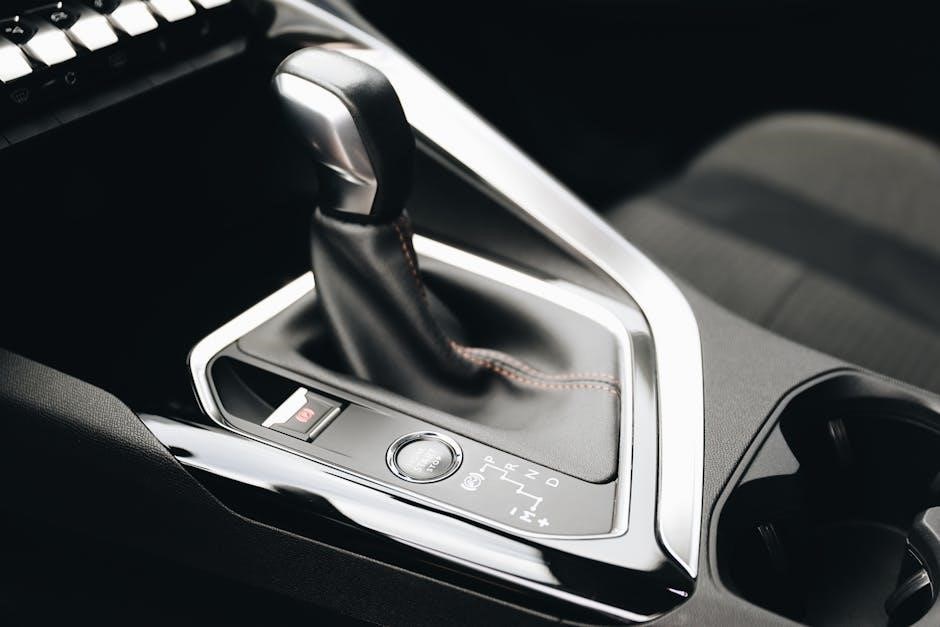
Article Plan: Manual Transmission to Automatic Conversion (as of 04/21/2026)

Converting from manual to automatic transmissions ranges from $2,000 to $30,000+, influenced by vehicle age, parts, and labor; kits cost $500-$3000+.

The shift from a manual to an automatic transmission is a significant automotive modification gaining traction, driven by a desire for increased convenience and accessibility. Historically, conversions were simpler, particularly for vehicles manufactured before the 1980s, due to readily available parts and less complex systems. However, modern vehicles present greater challenges, often requiring extensive modifications to the Electronic Control Unit (ECU) and wiring harnesses.

Today’s conversion costs vary widely, ranging from $2,000 to upwards of $30,000, depending on the vehicle and the scope of the project. This guide provides a comprehensive overview, exploring the benefits, drawbacks, costs, and complexities involved in transforming a manual transmission vehicle into an automatic one.

Why Convert? Benefits and Drawbacks

Converting to an automatic transmission primarily enhances driving ease, particularly in congested traffic, and broadens vehicle accessibility for drivers unfamiliar or unable to operate a manual system. This modification can also potentially increase resale value, appealing to a wider buyer pool. However, drawbacks exist, including a potential decrease in fuel efficiency and a less engaging driving experience for enthusiasts.

Furthermore, conversions can be costly, ranging from $2,000 to $30,000+, and may negatively impact vehicle performance if not executed correctly. Careful consideration of these benefits and drawbacks is crucial before embarking on this substantial automotive alteration.

Is Conversion Right for You? Assessing Your Needs

Determining if a manual-to-automatic conversion suits you requires honest self-assessment. Consider your daily driving conditions – frequent stop-and-go traffic strongly favors automatic convenience. Evaluate your driving skill and preference; enthusiasts may lament the loss of control.

Crucially, assess your budget. Costs range dramatically, from $2,000 to $30,000+, encompassing parts and labor. Factor in potential performance impacts and long-term maintenance. If accessibility is a primary concern, or if you prioritize ease of use over driving engagement, conversion merits serious consideration.

Understanding the Components Involved

A successful conversion necessitates replacing several key components. The automatic transmission itself is the core expense, available refurbished or new. A torque converter, unlike a manual clutch, uses fluid dynamics to transmit power. The shifter assembly and associated cables must be entirely replaced with automatic-compatible counterparts.

Furthermore, expect potential Electronic Control Unit (ECU) modifications and extensive wiring adjustments for proper function. Understanding these interconnected systems is vital; a mismatched drivetrain can lead to performance issues and reliability concerns. Careful component selection is paramount.

The Automatic Transmission Itself

The automatic transmission represents the largest single cost in a conversion, ranging from $250 to $2,500 depending on condition and source. Options include purchasing a new unit, a professionally refurbished transmission, or sourcing a used one from a salvage yard. Compatibility is crucial; ensure the chosen transmission is designed for your vehicle’s engine and drivetrain.

Consider the transmission’s gear ratios and overall design to match your driving style. Modern automatics often feature more gears for improved fuel efficiency and performance. Thorough research and careful selection are essential for a reliable outcome.

Torque Converter vs. Clutch

The fundamental difference lies in power transfer. A manual transmission utilizes a clutch – a direct mechanical connection engaging and disengaging the engine. Conversely, an automatic employs a torque converter, a fluid coupling transmitting engine power. This fluid coupling allows for smoother shifts and eliminates the need for a clutch pedal.

Torque converters inherently experience some power loss due to fluid slippage, though modern designs minimize this. The clutch offers a more direct feel and potentially better efficiency, but requires driver skill for smooth operation. The conversion necessitates removing the clutch system entirely.

Shifter Assembly and Cables

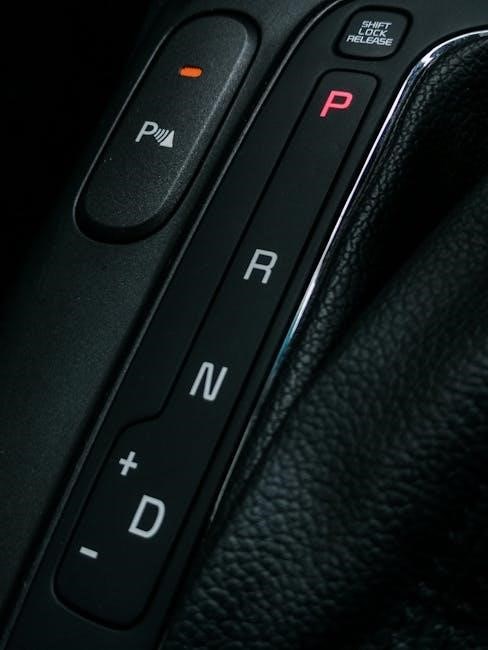
A crucial aspect of the conversion involves removing the entire manual shifter assembly, including the gear stick, linkage, and associated cables. These components are no longer needed with an automatic transmission. Replacing this with the automatic shifter mechanism is essential, requiring careful mounting and secure attachment to the vehicle’s floor.

Automatic shifters connect to the transmission via cables or, in some cases, directly. Ensuring proper cable routing and adjustment is vital for accurate gear selection. The removal process must be thorough to avoid interference with the new automatic setup.

Cost Breakdown: A Comprehensive Look

The financial commitment for a manual-to-automatic conversion varies significantly. DIY kits range from $500 to $3000+, but the total project often reaches $5,000-$10,000 when factoring in labor. Professional installation adds $250 to $2500+ in labor costs. A fully fitted conversion can easily exceed $15,000, potentially reaching $30,000 depending on the vehicle.

Primary expenses include the automatic transmission itself (refurbished or new), and potential ECU updates. Wiring modifications and additional components contribute to the overall cost, making detailed budgeting crucial.

DIY Conversion Kit Costs (Range: $500 ー $3000+)

Basic, entry-level DIY conversion kits typically start around $500, offering a minimal set of components for simpler vehicle models. However, these often require significant additional sourcing of parts and fabrication. More advanced, vehicle-specific kits, designed for easier installation and including more comprehensive parts lists, can easily exceed $3000.

Kit contents generally include the automatic transmission, shifter assembly, and potentially some wiring harnesses. Costs increase with features like torque converters and electronic control modules. Thorough research is vital to ensure kit compatibility.

Professional Installation Labor Costs (Range: $250 ー $2500+)

Labor costs for a professional manual-to-automatic conversion vary significantly, ranging from $250 to $2500+, depending on the vehicle’s complexity and the shop’s hourly rate. Simpler, older vehicles generally require fewer labor hours, potentially falling within the lower end of the range.

Modern vehicles with extensive electronic systems and requiring ECU updates will command higher labor fees. Expect additional charges for wiring harness integration, fluid flushing, and diagnostic testing. Obtaining quotes from multiple shops is crucial for comparison.

Additional Expenses: ECU Updates, Wiring, and More

Beyond the transmission and labor, several ancillary costs frequently arise during a manual-to-automatic conversion. Modern vehicles often necessitate Electronic Control Unit (ECU) reprogramming to recognize and manage the automatic transmission, adding $250-$1000 to the budget.

Wiring harness modifications are common, requiring professional expertise and potentially new connectors or sensors. Fluid lines, a new shifter assembly, and a transmission cooler may also be needed. Don’t forget diagnostic tools and potential troubleshooting expenses – these can quickly accumulate.

Total Project Cost Estimates (Range: $2,000 ― $30,000+)

Estimating the complete cost of a manual to automatic conversion is complex, varying significantly by vehicle and chosen approach. A basic DIY conversion, utilizing a kit around $1,500-$4,000, can reach $5,000-$10,000 when factoring in labor for ECU updates and wiring.

Professional installation typically ranges from $15,000 to $30,000, encompassing parts, labor, and potential unforeseen issues. Older vehicles generally cost less, while modern cars with intricate systems can easily exceed the higher end of the estimate. Careful budgeting is crucial.

Vehicle Compatibility: Which Cars Are Easier to Convert?

Vehicle compatibility dramatically impacts conversion difficulty and cost. Pre-1980s vehicles often present fewer hurdles due to greater parts availability, as manufacturers commonly offered both transmission types. Conversely, modern cars introduce increased complexity, demanding ECU updates and extensive wiring modifications, escalating expenses.

Certain models historically prove more amenable to conversion. Identifying popular candidates requires research, but generally, vehicles with readily available automatic transmission components simplify the process. Assessing the existing infrastructure is key to a smoother, less costly conversion.

Older Vehicles (Pre-1980s): Greater Parts Availability

Vehicles predating the 1980s generally offer a significantly easier conversion path. Manufacturers frequently produced the same models with both manual and automatic transmissions, ensuring a robust supply of compatible parts. This widespread availability translates to lower costs and reduced sourcing challenges for converters.

Simpler systems in older cars also contribute to ease of installation. Fewer electronic components and less integrated systems mean less modification is typically required, streamlining the process and minimizing potential complications. This makes older vehicles ideal candidates for DIY conversions.

Modern Vehicles: Increased Complexity and Costs

Converting newer vehicles (post-1980s) presents substantial challenges due to increased complexity. Modern cars often integrate the transmission with numerous electronic systems, including the Engine Control Unit (ECU) and various sensors. This integration necessitates extensive rewiring and ECU reprogramming, adding significant cost and difficulty.

Parts availability is also a major hurdle. Manufacturers rarely offer direct-fit automatic transmission conversion kits for modern models, requiring custom fabrication or sourcing of rare components. Consequently, professional installation is often recommended, further escalating the overall project expense.

Popular Conversion Candidates (Examples)

Historically, vehicles where both manual and automatic versions were commonly produced are easier candidates. Older models, particularly those from the 1980s and earlier, often have readily available parts and simpler wiring harnesses. Specific examples frequently mentioned include certain Ford Mustangs, Chevrolet Camaros, and older BMW models.

However, even with these vehicles, a successful conversion isn’t guaranteed; Availability of complete conversion kits is limited for most models, often requiring piecing together components from salvage yards or new suppliers. Researching specific vehicle forums is crucial to assess feasibility and potential challenges.

Sourcing Parts: Where to Find What You Need

Finding the necessary components requires careful consideration. Conversion kits offer convenience, providing a bundled solution, but can be expensive and may lack specific parts for your vehicle. Salvage yards present a cost-effective option, though parts’ condition and compatibility must be thoroughly verified.

New automatic transmissions are available, either refurbished or brand new. Refurbished options offer savings, but come with potential reliability concerns. Direct sourcing from transmission specialists or online retailers is common. Thorough research and comparing prices across multiple vendors are essential for securing the best deals.

Conversion Kits: Pros and Cons

Conversion kits streamline the process, including most necessary parts – transmission, shifter, cables, and sometimes even the torque converter. A significant pro is reduced sourcing complexity, ensuring component compatibility. However, kits can be costly, ranging from $1,500 to over $3,000, and may not be perfectly tailored to your specific vehicle model.

Cons include potential limitations in customization and the possibility of needing additional, separately purchased components. Vehicle-specific kits offer better fitment, but generic kits require more adaptation. Carefully evaluate kit contents against your vehicle’s needs before purchasing.

Salvage Yards and Used Parts

Sourcing parts from salvage yards presents a budget-friendly alternative, potentially saving significant costs compared to new or refurbished components. Automatic transmissions and related parts can often be found at substantially reduced prices. However, this approach requires diligent inspection to assess the condition and remaining lifespan of used parts.

Potential drawbacks include limited warranties, the risk of hidden damage, and the time investment needed for locating compatible components. Thoroughly test any salvaged transmission before installation, and be prepared for potential replacements if issues arise. Compatibility verification is crucial.

New Automatic Transmissions: Refurbished vs. New

Choosing between a new and refurbished automatic transmission significantly impacts cost and reliability. New transmissions offer the longest lifespan and typically come with comprehensive warranties, providing peace of mind. However, they represent the highest upfront investment, potentially adding thousands to the conversion cost.

Refurbished units, while more affordable, involve varying levels of rebuilding and inspection. Carefully evaluate the refurbishment process and warranty offered. A reputable rebuilder is essential. Consider the potential for pre-existing issues and shorter lifespan compared to a brand-new unit.

The Conversion Process: A Step-by-Step Overview

The conversion begins with safely removing the existing manual transmission, driveshaft, and related components. Next, the automatic transmission is installed, requiring careful alignment and mounting. Wiring is a critical step, integrating the automatic’s sensors and controls with the vehicle’s electrical system.

ECU modifications are often necessary, potentially involving reprogramming or a standalone controller. Finally, a thorough fluid check, testing, and adjustment are crucial. Proper installation ensures smooth shifting and optimal performance, avoiding future drivetrain issues.

Removing the Manual Transmission

Initial steps involve disconnecting the driveshaft, shifter linkage, and all wiring connected to the manual transmission. Supporting the engine is vital before removing the transmission mount and carefully lowering the unit. Drain all fluids beforehand to prevent spills and environmental contamination.

Inspect for any damage to the flywheel or clutch components during removal. Label all disconnected wires and hoses for easier reassembly or integration with the automatic transmission’s system. Proper tools and a safe working environment are essential for this phase.

Installing the Automatic Transmission

Carefully lift the automatic transmission into position, aligning it with the engine’s flexplate instead of the flywheel used with the manual. Ensure proper alignment before bolting it to the engine; a misaligned transmission can cause significant damage. Reinstall the transmission mount, securing it firmly to the vehicle’s frame.

Reconnect the driveshaft, ensuring it’s properly balanced and secured. Begin connecting the necessary wiring and cooler lines specific to the automatic transmission. Double-check all connections for tightness and correct placement before proceeding to the next stage.

Wiring and ECU Modifications

Automatic transmissions require specific wiring for the torque converter, solenoids, and transmission control module (TCM). Integrate this wiring with the vehicle’s existing harness, often necessitating splicing and connector adaptation. Modern vehicles frequently demand ECU updates or a standalone TCM to manage the automatic transmission effectively.

ECU reprogramming ensures proper communication between the engine and transmission, optimizing shift points and overall performance. Ignoring these modifications can lead to erratic shifting, error codes, or even transmission failure. Professional tuning is often recommended for complex systems.

Potential Challenges and Troubleshooting

Conversion projects often encounter ECU compatibility issues, requiring reprogramming or a standalone module for proper transmission control. Wiring harness integration can be complex, demanding careful splicing and connector adaptation to avoid shorts or malfunctions. Drivetrain mismatch, stemming from differing gear ratios, may impact performance and fuel economy.

Troubleshooting involves diagnosing error codes, verifying wiring connections, and ensuring the TCM receives correct signals. Performance concerns, like sluggish acceleration, necessitate adjustments to shift points or torque converter settings. Professional diagnostics are invaluable for resolving intricate problems.

ECU Compatibility Issues

The Engine Control Unit (ECU) often lacks the programming to communicate with an automatic transmission’s Transmission Control Module (TCM). This necessitates either ECU reprogramming, which can be complex and require specialized tools, or the installation of a standalone TCM. Incorrect communication leads to shifting problems, error codes, and potentially, engine damage.

Older vehicles may require more extensive wiring modifications to integrate the TCM, while newer cars might need sophisticated software unlocks. Diagnosing these issues involves scanning for error codes and verifying signal pathways between the ECU and TCM.

Wiring Harness Integration Problems

Integrating the automatic transmission’s wiring harness into the vehicle’s existing system presents significant challenges. Manual transmission vehicles lack the necessary wiring for the TCM, speed sensors, and shift solenoids. Adapting the harness often involves splicing, soldering, and potentially fabricating custom wiring sections.

Incorrect wiring can lead to short circuits, blown fuses, and damage to the TCM or ECU. Thoroughly understanding wiring diagrams and utilizing a multimeter for continuity testing are crucial. Modern vehicles with complex CAN bus systems require careful attention to avoid disrupting other electronic functions.

Drivetrain Mismatch and Performance Concerns

Converting to an automatic transmission can introduce drivetrain mismatches affecting performance. The automatic’s torque converter characteristics differ from a manual clutch, potentially altering the vehicle’s acceleration and overall driving feel. Gear ratios may not perfectly align with the engine’s powerband, leading to reduced efficiency.

Careful consideration must be given to selecting an automatic transmission with appropriate gear ratios for the specific vehicle and engine. A mismatch can result in sluggish acceleration, decreased fuel economy, and even strain on the drivetrain components. Proper tuning and potentially ECU recalibration are often necessary.

Legal Considerations and Regulations

Modifying a vehicle’s transmission, even from manual to automatic, can trigger legal and regulatory scrutiny. Vehicle inspection requirements vary significantly by location; some jurisdictions mandate re-certification after substantial alterations like this. Ensure the conversion complies with local emissions standards, as changes to the drivetrain can impact them.

It’s crucial to verify if the modification affects the vehicle’s title or insurance coverage. Some insurers may view a converted vehicle as modified and adjust premiums accordingly. Thoroughly research local laws and regulations before commencing the conversion to avoid potential legal issues or failed inspections.

Impact on Vehicle Value

Converting a manual transmission vehicle to automatic generally decreases its value, particularly for enthusiasts and collectors who prize manual drivetrains. While it broadens the potential buyer pool by appealing to those preferring automatics, it diminishes appeal to the original target market.

The extent of the value reduction depends on the vehicle’s make, model, and overall condition. A well-executed conversion using quality parts might mitigate some loss, but rarely fully offsets it. Documenting the conversion thoroughly with receipts can help demonstrate the quality of work performed to potential buyers.

DIY vs. Professional Installation: Which is Best?

DIY installation saves significantly on labor costs – potentially thousands of dollars – but demands substantial mechanical expertise, specialized tools, and time. Incorrect installation can lead to costly repairs and safety hazards. Professional installation, while expensive (ranging from $250 to $2500+), offers peace of mind and a warranty.

For those with limited mechanical experience, professional installation is strongly recommended. Even experienced DIYers may encounter unforeseen complications, especially with modern vehicles requiring ECU updates and complex wiring integration. Assess your skills honestly before attempting a DIY conversion.

Tools Required for a DIY Conversion

A successful DIY manual-to-automatic conversion necessitates a comprehensive toolkit. Essential items include a full socket set, wrenches (metric and standard), torque wrench, jack and jack stands, transmission jack, and various pliers. Diagnostic tools, like an OBDII scanner, are crucial for ECU modifications and troubleshooting.

Specialized tools, such as a wiring crimper, multimeter, and potentially a transmission fluid pump, may also be required. Safety gear – gloves, eye protection, and steel-toed boots – is non-negotiable. Access to a detailed repair manual specific to your vehicle is also paramount for a smooth process.

Post-Conversion Maintenance

Following a manual-to-automatic conversion, diligent maintenance is vital for longevity. Begin with a complete fluid flush of the new automatic transmission within the first 500 miles, and then adhere to the manufacturer’s recommended service intervals. Regularly inspect for leaks around the transmission, torque converter, and cooler lines.

Monitor the transmission’s performance for any unusual noises or shifting irregularities. ECU updates may be necessary as software learns driving patterns. Routine checks of the wiring harness and connections are also crucial to prevent future issues and ensure optimal functionality.

Performance Implications of the Conversion

Switching from a manual to an automatic transmission generally results in a slight performance decrease, primarily due to inherent efficiency losses within the torque converter. Expect potentially slower acceleration times and a less direct connection to the engine. However, modern automatics with advanced programming can mitigate some of this loss.

Fuel economy may also be affected, though newer automatic transmissions often rival manual efficiency. Drivetrain mismatch can further impact performance, requiring careful consideration during component selection. Ultimately, the conversion prioritizes convenience over outright performance gains.

Common Mistakes to Avoid During Conversion

A frequent error involves neglecting ECU compatibility; ensure the engine control unit can properly communicate with the new automatic transmission. Incorrect wiring harness integration is another pitfall, potentially leading to electrical issues and transmission malfunctions. Failing to account for drivetrain mismatch can result in suboptimal performance and premature wear.

Furthermore, overlooking necessary updates – like those for the vehicle’s computer – can cause significant problems. Always double-check component compatibility and follow installation guides meticulously to prevent costly mistakes and ensure a smooth conversion process.

Safety Precautions During Installation

Prioritize disconnecting the battery before commencing any electrical work to prevent short circuits and potential shocks. Always support the vehicle securely with jack stands – never rely solely on a jack. Wear safety glasses and gloves throughout the process to protect your eyes and hands from fluids and sharp edges.

Be mindful of the weight of transmission components; utilize appropriate lifting equipment. Properly dispose of all fluids according to local regulations. If unsure about any step, consult a professional mechanic to avoid injury or damage to the vehicle.

Alternatives to Full Conversion: Exploring Options

Instead of a complete swap, consider an aftermarket automatic transmission kit designed for simplified installation, potentially reducing costs and complexity. Another option is exploring a semi-automatic transmission, offering some automation while retaining driver control. For older vehicles, locating a used automatic transmission from a compatible model can be a budget-friendly approach.

Furthermore, investigate transmission control module (TCM) tuning to optimize performance with a partially converted system. Evaluate if the inconvenience of a manual transmission truly outweighs the expense and effort of a full conversion before proceeding.

Future Trends in Transmission Technology

The automotive industry is rapidly evolving, with advancements in automatic transmission technology continually emerging. Expect to see more sophisticated continuously variable transmissions (CVTs) offering improved efficiency and smoother operation. Dual-clutch transmissions (DCTs) are also becoming increasingly prevalent, blending the benefits of both manual and automatic systems.

Furthermore, advancements in artificial intelligence and machine learning will lead to more adaptive and predictive transmission control algorithms, optimizing performance and fuel economy. Fully automated manual transmissions (AMTs) may gain traction, offering a manual-like feel with automatic convenience.

Case Studies: Successful Conversions (Examples)

Consider a 1970s Chevrolet Camaro conversion, where readily available parts simplified the process, costing around $5,000 with DIY installation; Another example is a 1990s Honda Civic, a popular candidate due to its relatively straightforward design, resulting in a $6,000 conversion including professional labor.

However, a modern BMW 3 Series conversion proved more complex, requiring ECU reprogramming and custom wiring, escalating costs to $15,000+. These cases highlight the variability; older vehicles offer easier, cheaper conversions, while newer models demand expertise and significant investment.

Resources and Online Forums for Support

Numerous online forums, like those dedicated to specific car makes (e.g., Ford Mustang forums, Honda Civic forums), offer invaluable advice and shared experiences regarding manual-to-automatic swaps. Websites specializing in automotive conversions often provide detailed guides and parts lists.

Additionally, dedicated conversion kit retailers frequently host forums or support sections. YouTube channels showcase step-by-step conversion processes, offering visual guidance. Seeking advice from experienced mechanics specializing in transmissions is also highly recommended for complex projects.

Frequently Asked Questions (FAQs)

Is conversion worth the cost? It depends on your needs and budget; convenience is a key benefit. Will it affect resale value? Potentially, as some enthusiasts prefer manuals. Is a kit necessary? Kits simplify the process, but sourcing parts individually is possible. How long does it take? DIY can take weeks; professional installation, several days.

Will I need ECU tuning? Often, especially with modern vehicles. Are older cars easier to convert? Generally, due to greater parts availability. What about drivetrain compatibility? Ensuring proper matching is crucial for performance.

Converting a manual transmission to automatic is a significant undertaking, demanding careful consideration of costs, complexity, and potential drawbacks. While offering enhanced convenience and accessibility, it’s crucial to weigh these benefits against the financial investment—ranging from $2,000 to $30,000+—and potential impact on vehicle value.

Thoroughly assess your needs, vehicle compatibility, and DIY capabilities. Professional installation provides expertise but adds to the expense. Ultimately, an informed decision requires realistic expectations and a clear understanding of the entire conversion process.

orbit water timer manual pdf

Orbit Water Timer Manual PDF: A Comprehensive Guide

Orbit Irrigation provides digital manuals and quick start guides for timers, including models 62061Z and 58910․ Accessing a PDF version simplifies setup and operation!

Understanding Orbit Water Timers

Orbit water timers represent a convenient solution for automated lawn and garden irrigation․ These devices connect directly to your outdoor faucet and control the flow of water to sprinklers or drip irrigation systems․ They eliminate the need for manual watering, saving you time and ensuring your plants receive consistent hydration․

Different Orbit timer models cater to varying needs, from simple mechanical timers to sophisticated digital controllers with multiple zones and advanced programming options․ The core function remains consistent: to deliver water according to a pre-set schedule․ Understanding the specific features of your Orbit timer, as detailed in its manual, is crucial for optimal performance․

These timers are designed for use with 24 VAC irrigation valves, offering flexible watering programs․ Installation involves mounting the timer, connecting it to the faucet, and linking valves accordingly․ Proper setup, guided by the manual, ensures efficient and reliable operation․

What is an Orbit Water Timer?

An Orbit water timer is an automated device designed to control the duration and frequency of water flow through your irrigation system․ It connects to your outdoor faucet, replacing the need for manual on/off operation․ These timers range from basic mechanical models with simple dials to advanced digital versions offering programmable schedules and features like rain delay․

Essentially, an Orbit timer acts as a smart valve, opening and closing based on the settings you input․ This allows for precise watering, tailored to the specific needs of your lawn and garden․ The manual provides detailed instructions on programming these schedules, adjusting watering durations, and utilizing advanced functionalities․

Orbit timers are compatible with various irrigation systems, including sprinklers and drip irrigation․ They offer a convenient and efficient way to conserve water and maintain a healthy landscape, as outlined in the product manual․

Benefits of Using an Orbit Water Timer

Utilizing an Orbit water timer offers numerous advantages for homeowners․ Primarily, it promotes significant water conservation by delivering precise amounts of water only when needed, reducing waste․ This leads to lower water bills and a more sustainable gardening practice, details found within the manual․

Beyond cost savings, timers provide convenience․ You eliminate the need for daily manual watering, freeing up your time and ensuring consistent hydration for your plants, even when you’re away․ The manual guides you through setting automated schedules․

Orbit timers also contribute to healthier plant growth․ Consistent watering schedules, easily programmed via the timer, prevent under or overwatering․ The PDF manual provides step-by-step instructions for optimal programming, maximizing these benefits for your landscape․

Finding the Correct Manual

Orbit’s official website is the primary source for PDF manuals․ Identifying your timer’s model number is crucial for downloading the correct documentation․

Locating the PDF Manual Online

Finding your Orbit water timer’s PDF manual online is a straightforward process․ Begin by visiting the official Orbit Irrigation Products website․ Navigate to the support section, often labeled “Customer Support” or “Resources․” Within this area, you should find a dedicated manuals or documentation section․

Many websites offer direct links to Orbit timer manuals, including those for specific models like the 24713․ Utilize search engines like Google, entering “Orbit timer model number manual PDF” to quickly locate the correct file․ Ensure the website is reputable to avoid downloading potentially harmful software․

Orbit provides manuals for both digital and mechanical timers․ Once located, the PDF can be downloaded, saved, and viewed on any device with a PDF reader․ This allows for easy access to installation instructions, programming guides, and troubleshooting tips․

Identifying Your Timer Model Number

Accurately identifying your Orbit water timer’s model number is crucial for downloading the correct PDF manual․ The model number is typically located on a sticker affixed to the timer’s housing․ Look for a label on the front, back, or bottom of the unit․ It usually begins with a series of numbers and letters, such as 62061Z or 58910․

Sometimes, the model number is molded directly into the plastic casing․ If you’re unable to find a sticker, carefully inspect the timer’s exterior for embossed text․ Refer to your purchase receipt or original packaging if the label is missing or illegible․

Having the precise model number ensures you download the PDF manual specifically tailored to your timer’s features and programming options․ Using the wrong manual can lead to confusion and improper operation of your irrigation system․

Orbit’s Official Website for Manuals

Orbit Irrigation Products’ official website is the most reliable source for PDF manuals․ Navigate to their support or customer service section, typically found at Orbitonline․com․ Look for a dedicated “Manuals” or “Downloads” area; You can usually search for your timer model number directly within the website’s search bar․

The website offers a comprehensive library of PDF manuals for current and discontinued models․ Downloading directly from Orbit guarantees you receive the most up-to-date and accurate documentation․ They provide manuals for both digital and manual timers, including quick start guides and detailed user guides․

Avoid downloading manuals from unofficial sources, as they may be outdated or contain errors․ Orbit’s official website ensures you have the correct information for optimal timer performance and troubleshooting․

Timer Setup and Installation

Orbit sprinkler timer installation involves selecting a location, mounting the timer securely, and connecting valves and the hose faucet correctly․

Selecting a Mounting Location

Choosing the right spot for your Orbit timer is crucial for reliable operation and longevity․ The timer should be mounted outdoors, close to a faucet, but protected from direct sunlight and extreme weather conditions․ Avoid locations that are prone to freezing, as this can damage the internal components․

Ideally, select a shaded area or consider using a protective enclosure․ Ensure the location allows easy access for programming and battery replacement․ The mounting surface should be stable and capable of supporting the timer’s weight․ Orbit recommends a location within the operational temperature range specified in the manual․ Proper placement prevents unnecessary wear and tear, ensuring years of dependable service from your automatic watering system․ Consider proximity to a power source if applicable for certain models․

Connecting the Timer to the Faucet

Before connecting your Orbit timer, ensure the water supply is turned off at the hose faucet․ This prevents accidental water flow during installation․ Carefully screw the timer onto the faucet, hand-tightening initially․ Avoid using pipe tape or excessive force, as this could damage the threads․

Once hand-tight, gently tighten with a wrench, but be cautious not to overtighten․ Next, connect a hose to the timer’s outlet․ Again, hand-tighten first, then slightly tighten with a wrench․ Inspect all connections for leaks․ If leaks are present, tighten the connections further, ensuring a secure seal․ A properly connected timer is essential for efficient and reliable watering․ Refer to your specific model’s manual for detailed diagrams and instructions․

Connecting Valves to the Timer

Orbit timers, particularly multi-zone models, connect to 24 VAC irrigation valves․ Each valve controls a specific watering zone․ Begin by ensuring the timer is powered off․ Connect each valve wire to the corresponding zone terminal on the timer․ Typically, these are labeled 1, 2, 3, and 4 (or similar)․

Common wire connections are crucial; connect the common wire from all valves to the “COM” terminal on the timer․ Double-check all connections to ensure they are secure and properly seated․ Incorrect wiring can prevent zones from operating correctly․ Refer to your timer’s manual for a wiring diagram specific to your model․ Proper valve connection is vital for a functioning sprinkler system․

Programming Your Orbit Timer

Orbit timers offer flexible watering programs with easy-set logic․ Users can access manual mode, set watering duration, and program automatic schedules for efficient irrigation․

Accessing Manual Mode

Manual mode allows for immediate watering, bypassing any programmed schedule․ To initiate this, turn off the water at the hose faucet, ensuring a safe starting point․ Then, repeatedly push the MODE button until “MANUAL” and “SET” begin to blink – this visual cue confirms selection․

Next, press the CONFIRM button to activate manual operation․ The display will then shift to show “MINS TO RUN,” with either two digits representing the minutes or “- -“ if no duration is set․ At this stage, you can adjust the watering time using the appropriate buttons, specifying how long the watering cycle should last․ This is particularly useful for spot-watering or testing the system․ Remember to exit manual mode to return to the programmed schedule․

Setting Watering Duration (MINS TO RUN)

Once in Manual mode, the timer displays “MINS TO RUN,” indicating the need to define the watering length․ If “- -“ is shown, you must input a desired duration․ Utilize the timer’s control buttons – typically up and down arrows or similar – to adjust the minutes․

The Orbit Timer supports watering periods ranging from 1 to 360 minutes per start time, offering flexibility for various plant needs․ Carefully consider the water requirements of your lawn or garden when setting this value․ Longer durations are suitable for deep watering, while shorter durations are ideal for light maintenance․ After setting the desired minutes, confirm your selection to initiate the watering cycle․ Remember to check the display to ensure the correct duration is programmed before confirming․

Programming Automatic Watering Schedules

To establish a consistent watering routine, navigate to the automatic programming mode on your Orbit Timer․ This typically involves selecting a “Program” or “Schedule” option using the timer’s control panel․ You’ll then define the start time, watering duration (MINS TO RUN), and the days of the week for irrigation․

The timer allows for multiple start times per day, enabling you to divide watering into segments․ Carefully plan your schedule based on local weather conditions and plant needs․ Ensure the selected start times align with optimal watering windows, avoiding peak sunlight hours․ The user manual provides step-by-step guidance for configuring these settings, ensuring a hassle-free setup for automated watering․

Understanding Start Times

Orbit timers utilize start times to dictate when your watering cycle begins, not the total duration․ The timer can support up to four independent start times daily, offering flexible irrigation options․ When setting a start time, consider local water restrictions and plant-specific needs․ Early morning watering is generally recommended to minimize evaporation․

The manual emphasizes that the timer will initiate watering at the programmed start time, running for the duration specified in the “MINS TO RUN” setting․ Understanding this distinction is crucial for accurate scheduling․ Review your timer’s PDF manual for detailed instructions on setting and adjusting start times, ensuring optimal water distribution throughout your landscape․

Adjusting Watering Frequency

The Orbit timer’s manual, often available as a PDF download, details how to control watering frequency․ This isn’t a direct setting, but achieved by manipulating start times and the “MINS TO RUN” duration․ To water less frequently, increase the duration at each start time or reduce the number of start times used daily․

Conversely, for more frequent watering, decrease the duration and/or add more start times․ The timer allows for customized schedules based on plant type and weather conditions․ Consult your manual for specific instructions on programming these adjustments․ Remember to monitor your landscape and adjust settings accordingly to prevent over or under-watering, optimizing water usage and plant health․

Advanced Features & Troubleshooting

Orbit timers offer features like rain delay, and multiple start times․ PDF manuals detail troubleshooting common issues and resetting to factory defaults for optimal performance․

Multiple Start Times Per Day

Orbit timers boast the capability of accommodating up to four independent start times daily, offering exceptional flexibility in irrigation scheduling; This feature, thoroughly explained within the Orbit timer manual PDF, allows users to divide watering cycles throughout the day, catering to varying plant needs and water pressure conditions;

The manual details how to program each start time with a specific duration, ranging from one to 360 minutes․ This granular control ensures efficient water usage and prevents over or under-watering․ The PDF guide illustrates a step-by-step process for setting these multiple start times, including navigating the timer’s interface and confirming each programmed schedule․ Understanding this functionality, as outlined in the manual, is crucial for maximizing the benefits of your Orbit sprinkler system and maintaining a healthy landscape․

Refer to your specific model’s manual for detailed instructions, as the interface may vary slightly․

Rain Delay Functionality

The Orbit water timer’s rain delay feature, comprehensively detailed in the Orbit timer manual PDF, is a valuable tool for conserving water and preventing over-saturation during periods of rainfall․ This function temporarily suspends the programmed watering schedule, allowing the landscape to benefit from natural precipitation․

The manual explains how to activate the rain delay, typically by pressing a dedicated button or navigating through the timer’s menu․ Users can specify the duration of the delay, often ranging from hours to several days․ The PDF guide provides clear instructions on setting the delay length and resuming the regular watering schedule once the rain has passed․ Utilizing this feature, as described in the manual, promotes responsible water management and contributes to a healthier garden․

Always consult your specific model’s manual for precise instructions, as the implementation may differ․

Troubleshooting Common Issues

The Orbit water timer manual PDF offers a dedicated troubleshooting section to address frequent problems․ A common issue is the timer not displaying correctly; the manual suggests checking battery levels and ensuring proper contact․ If valves aren’t activating, verify the wiring connections and confirm the programmed schedule aligns with the desired watering times․

Another frequent concern is inaccurate watering durations․ The manual advises reviewing the “MINS TO RUN” setting and confirming it’s programmed correctly․ For connectivity issues, the PDF guide details steps for resetting the timer and re-establishing communication with valves․ The manual also addresses scenarios where the timer fails to hold the program, recommending a battery replacement or factory reset․

Always refer to your specific model’s manual for tailored solutions and safety precautions․

Resetting the Timer to Factory Defaults

The Orbit water timer manual PDF details the process for restoring the timer to its original factory settings․ This is useful for resolving persistent programming errors or preparing the timer for a new installation․ Typically, resetting involves a specific button combination held for a designated duration – consult your model’s manual for precise instructions․

Before resetting, note that all custom schedules, start times, and settings will be erased․ The PDF guide emphasizes this data loss, advising users to document their current settings if they intend to restore them later․ After the reset, the timer will revert to its default watering program, requiring complete reprogramming․

The manual clarifies that a factory reset doesn’t affect the physical hardware but clears all stored software configurations․ Refer to the manual for model-specific reset procedures․

Safety Precautions & Maintenance

The Orbit timer manual PDF stresses turning off the water supply before maintenance․ Winterizing and battery replacement are also detailed for longevity․

Turning Off Water Supply

Orbit timer manuals, readily available as PDF downloads, consistently emphasize the critical importance of disconnecting the water supply before performing any maintenance or troubleshooting procedures․ This precaution minimizes the risk of water damage and ensures user safety․ The manual explicitly instructs users to turn off the water at the hose faucet, preventing unintended water flow during timer adjustments or component replacements․

Failing to shut off the water supply could lead to leaks, potentially causing property damage or creating a hazardous situation․ The PDF guides often include visual diagrams illustrating the location of the shut-off valve, making it easy for users to identify and operate․ Always verify that the water is completely off before proceeding with any work on the timer or connected irrigation system․ This simple step significantly contributes to a safe and efficient maintenance process, as detailed in the Orbit documentation․

Winterizing Your Timer

Orbit water timer manuals, available in PDF format, dedicate sections to proper winterization, a crucial step for preventing damage from freezing temperatures․ The manual advises disconnecting the timer from the faucet and removing any connected hoses․ This prevents water from freezing inside the timer and potentially cracking the housing or damaging internal components․

Furthermore, the PDF guides recommend storing the timer indoors in a dry location, away from extreme cold․ Some models may require battery removal for extended storage, as detailed in the specific model’s manual․ Thoroughly drying the timer before storage is also advised․ Following these winterization steps, as outlined in the Orbit documentation, ensures the longevity and reliable performance of your timer when spring arrives, safeguarding your investment and simplifying setup next season․

Battery Replacement

Orbit water timer manuals, readily available as PDF downloads, clearly outline battery replacement procedures․ Typically, Orbit timers utilize standard alkaline batteries, with the manual specifying the correct type and quantity needed for each model․ The PDF guides often include diagrams illustrating the battery compartment location and proper battery orientation․

Low battery indicators signal the need for replacement, preventing interrupted watering schedules․ The manual emphasizes the importance of replacing batteries before the onset of winter or during periods of prolonged inactivity to avoid potential corrosion․ Always refer to your specific model’s PDF manual for detailed instructions, as procedures can vary․ Proper battery maintenance, guided by the Orbit documentation, ensures consistent and reliable timer operation, maintaining your irrigation system’s efficiency․

tundra manual transmission

Tundra Manual Transmission: A Comprehensive Guide (Updated 04/07/2026)

This guide details the intricacies of Toyota Tundra manual transmissions, addressing recalls impacting approximately 280,000 trucks and SUVs due to creeping issues in neutral.

The Toyota Tundra’s manual transmission, while historically available, represents a niche offering within the full-size truck market. For enthusiasts prioritizing driver engagement and control, the manual Tundra provides a distinct experience compared to its automatic counterparts. However, recent years have seen a decline in manual transmission availability across the automotive industry, and the Tundra is no exception.

This comprehensive guide aims to serve as a resource for owners and prospective buyers interested in Tundra models equipped with a manual gearbox. We will delve into the specifics of each generation, outlining available years and transmission codes. Crucially, we will address a recent recall affecting a substantial number of Toyota trucks and SUVs – including some Tundras – related to a transmission issue causing unintended vehicle movement while in neutral. Understanding this recall is paramount for current owners, ensuring vehicle safety and addressing potential concerns.

This guide will also cover maintenance, common problems, and repair procedures, empowering owners to keep their Tundra’s manual transmission operating smoothly for years to come.

Historical Overview of Manual Transmissions in the Tundra

The introduction of the first-generation Toyota Tundra in 1999 marked a shift in Toyota’s full-size truck strategy, and manual transmissions were initially offered as a standard option, catering to buyers who preferred a more connected driving experience. Throughout the early 2000s, the five-speed manual remained a consistent choice, though its popularity gradually diminished as automatic transmissions gained dominance in the truck segment.

The second-generation Tundra (2007-2013) continued to offer a manual transmission, but its availability became increasingly limited, often restricted to specific trim levels and engine configurations. This trend reflected broader market preferences and a focus on convenience. The recent recall impacting 280,000 Toyota vehicles, including some Tundras, highlights the ongoing need for vigilance regarding transmission functionality, even in older models.

Currently, manual transmissions are no longer offered in the third-generation Tundra, signifying a complete transition to automatic transmissions for this model line.

Tundra Manual Transmission Models & Years

The Toyota Tundra offered manual transmission options across its first two generations. Specifically, the 1999-2006 first-generation Tundra included a five-speed manual as a standard configuration on certain base models, typically with the 4.7L V8 engine. Availability varied by trim level and cab configuration.

The second-generation Tundra (2007-2013) continued to provide a five-speed manual, but its presence became more restricted. It was primarily found on lower trim levels and with the 4.6L V8 engine. By the later years of this generation, manual options were increasingly scarce.

As of 2014, with the introduction of the third-generation Tundra, Toyota discontinued the manual transmission entirely. Recent recalls, affecting around 280,000 vehicles, do not specifically target manual transmissions, but emphasize the importance of transmission reliability across all Tundra models.

First Generation Tundra (1999-2006) Manual Options

The inaugural Tundra generation (1999-2006) prominently featured a five-speed manual transmission, particularly within the base SR5 models. This configuration was commonly paired with the robust 4.7-liter V8 engine, offering drivers a direct connection to the vehicle’s power. However, availability wasn’t universal; higher trim levels often defaulted to automatic transmissions.

The manual gearbox provided a more engaging driving experience, favored by those prioritizing control and fuel efficiency. It was a popular choice for work trucks and those seeking a simpler mechanical setup. Identifying these models involves checking the transmission code and verifying the absence of automatic transmission features.

While reliable, these early Tundra manuals, like all mechanical components, were subject to wear and tear. Current recalls impacting Tundra transmissions don’t directly address first-generation manual issues, but highlight the importance of regular maintenance.

Second Generation Tundra (2007-2013) Manual Options

The second-generation Tundra (2007-2013) saw a significant reduction in manual transmission availability. While the first generation offered it widely in SR5 trims, the second generation largely relegated the five-speed manual to specific fleet and commercial applications. It was primarily paired with the 4.6-liter V8 engine, focusing on utilitarian needs rather than driver preference.

Finding a second-generation Tundra with a manual transmission is considerably more challenging than locating a first-generation model. Toyota shifted its focus towards automatic transmissions, catering to a broader consumer base. Documentation and vehicle history reports are crucial for verifying the presence of a manual gearbox.

These later manual transmissions benefited from incremental improvements in durability, but still require diligent maintenance. The current recall concerning creeping in neutral doesn’t directly apply to these models, but emphasizes transmission vigilance.

Third Generation Tundra (2014-Present) Manual Options ー Availability & Discontinuation

The third-generation Tundra (2014-Present) completely discontinued the manual transmission option. Toyota ceased offering a stick-shift configuration, aligning with industry trends and consumer demand favoring automatic transmissions. This decision reflects a broader shift towards convenience and ease of use in full-size pickup trucks.

Despite enthusiast requests, a manual option never returned, even with subsequent model year updates. The focus remained on refining the automatic transmission, incorporating features like more gears and improved shift logic. This change simplifies the Tundra’s powertrain offerings, but eliminates choice for drivers preferring manual control.

The recent recall regarding creeping in neutral highlights the complexities of modern automatic transmissions, a technology now exclusively featured in the current Tundra lineup. Manual transmission enthusiasts must look to older models.

Technical Specifications & Components

This section delves into the core mechanics of the Tundra’s manual transmissions, examining gear ratios, clutch systems, and the intricate synchromesh mechanisms within.

Gear Ratios and Transmission Codes (V6 vs. V8)

Understanding the gear ratios is crucial for optimizing Tundra performance. V6 models typically featured different ratios compared to the robust V8 options, influencing both acceleration and fuel efficiency. Early Tundra manuals (1999-2006) often utilized the R150F transmission, known for its durability, with gear ratios tailored for towing and off-road capability.

Later generations saw variations, including the potential use of different transmission codes depending on engine and model year. Identifying the specific transmission code – often stamped on the transmission casing – is vital for sourcing correct parts and understanding its internal configuration. The first gear ratio significantly impacts initial acceleration, while higher gears prioritize highway cruising.

V8 Tundras generally benefited from slightly lower (numerically higher) gear ratios to handle increased torque, providing a balance between power and efficiency. Detailed charts outlining specific ratios for each year and engine combination are essential for informed maintenance and potential gear swaps.

Clutch System Details: Type, Size, and Operation

The Tundra’s manual transmission relies on a robust clutch system for smooth gear changes. Typically, these systems employ a single-plate, dry-disc clutch, designed to withstand the engine’s torque output. Clutch diameter varies between models and years, with V8 variants generally utilizing larger discs for increased clamping force.

Operation involves the driver depressing the clutch pedal, disengaging the engine from the transmission via the pressure plate and release bearing. Proper clutch engagement is vital to prevent premature wear and ensure smooth transitions. Hydraulic clutch systems were common, utilizing a master and slave cylinder to transmit pedal force.

Regular inspection of the clutch disc, pressure plate, and throw-out bearing is crucial. Symptoms of a failing clutch include slipping, shuddering, and difficulty engaging gears. Maintaining proper clutch cable adjustment (if applicable) is also essential for optimal performance.

Synchromesh and Shift Mechanism Explained

The Tundra’s manual transmission utilizes synchromesh technology for smoother, faster gear changes. Synchromesh cones and blockers equalize the rotational speed of the gears before engagement, minimizing grinding and wear. This system is critical for driver comfort and transmission longevity.

The shift mechanism itself typically consists of a shift lever, linkage, and selector forks. These components translate the driver’s input into precise gear selection within the transmission. Linkage designs can vary, employing either direct or cable-operated systems.

Proper lubrication is paramount for synchromesh function. Worn synchronizers manifest as grinding during shifts, particularly into higher gears. Maintaining the shift linkage and ensuring free movement are vital for accurate gear engagement and preventing internal damage.

Common Tundra Manual Transmission Problems

Tundra manual transmissions, while robust, aren’t immune to issues. A frequently reported problem, highlighted in recent recalls (as of 04/07/2026), involves vehicles unexpectedly creeping forward while in neutral – a potentially dangerous situation. This suggests issues within the transmission’s internal components or linkage.

Other common concerns include clutch wear leading to slippage or difficulty engaging gears. Shift linkage problems can cause imprecise shifting or difficulty selecting certain gears. Internal damage, often stemming from aggressive driving or lack of maintenance, can manifest as grinding noises or complete transmission failure.

Regular fluid checks and timely maintenance are crucial for preventing these issues. Addressing minor symptoms promptly can prevent costly repairs down the line.

Clutch Wear and Failure Symptoms

Recognizing clutch wear is vital for Tundra manual transmission longevity. Initial symptoms often include a gradual increase in pedal travel before the clutch engages. Slippage, particularly during acceleration or uphill climbs, is a key indicator, causing engine RPM to rise without a corresponding increase in speed. This can generate excessive heat and accelerate wear.

More severe symptoms involve difficulty shifting into gear, especially first or reverse. A shuddering sensation during engagement suggests significant wear or damage. A burning smell often accompanies advanced clutch failure, indicating severe overheating. Ignoring these signs can lead to complete clutch failure, requiring a full replacement.

Shift Linkage Issues and Repair

Problems with the Tundra’s manual transmission shift linkage can manifest as imprecise shifting, difficulty selecting gears, or a feeling of looseness in the shifter. These issues often stem from worn bushings, loose connections, or damage to the linkage components themselves. Inspecting the linkage for play is the first step in diagnosis.

Repair typically involves replacing worn bushings – a relatively inexpensive fix. Tightening loose connections can also resolve minor issues. More significant damage may require replacing entire linkage rods or the shifter assembly. Proper lubrication of all moving parts is crucial during reassembly. Accurate adjustment of the linkage is essential to ensure smooth and precise gear selection, preventing further wear and tear.

Synchro Problems: Grinding Gears & Causes

Grinding gears during shifts is a classic symptom of failing synchronizers (synchros) within the Tundra’s manual transmission. Synchros are responsible for matching the speed of the gears before engagement, allowing for smooth shifting. When worn, they fail to synchronize properly, resulting in that unpleasant grinding noise.

Common causes include aggressive shifting, infrequent transmission fluid changes, and simply age-related wear. Identifying which synchro is failing requires careful diagnosis, often based on which gears exhibit the grinding. Repair necessitates transmission disassembly and synchro replacement – a complex task best left to experienced mechanics. Ignoring the issue can lead to further damage to the gears themselves, escalating repair costs.

Internal Transmission Damage: Identifying and Addressing

Significant internal damage within a Tundra manual transmission often manifests as loud noises, difficulty selecting gears, or complete transmission failure. Identifying the root cause requires a thorough inspection, potentially involving a complete teardown. Common culprits include broken gears, damaged bearings, and a compromised main shaft.

Addressing such damage typically necessitates a full transmission rebuild or replacement. Rebuilding involves disassembling the transmission, inspecting all components, replacing worn or broken parts, and reassembling with new seals and fluids. Replacement offers a quicker solution, but can be more expensive. Proper diagnosis is crucial to determine the most cost-effective and reliable repair path.

Maintenance and Repair

Regular fluid checks, timely clutch replacements, and addressing shift linkage issues are vital for maintaining a Tundra’s manual transmission’s longevity and performance.

Recommended Fluid Types and Change Intervals

Maintaining the correct fluid level and using the specified type is crucial for your Tundra’s manual transmission health. Toyota generally recommends using a high-quality 75W-90 gear oil that meets ILSAC Multi-Vehicle Automatic Transmission Fluid standards. However, always verify the specific recommendation in your owner’s manual, as variations can exist based on model year and transmission code.

Regarding change intervals, a good rule of thumb is to inspect the fluid every 30,000 miles and replace it completely every 60,000 miles under normal driving conditions. For those engaging in heavy towing, off-roading, or frequent stop-and-go traffic, shortening the interval to 30,000 miles for a complete fluid change is advisable. Ignoring these intervals can lead to premature wear of synchronizers and bearings, ultimately causing costly repairs.

Always ensure the transmission is at operating temperature before checking the fluid level.

Clutch Replacement Procedure – Step-by-Step

Replacing the clutch on a Tundra requires mechanical expertise and proper tools. First, disconnect the battery and safely raise the vehicle, supporting it with jack stands. Drain the transmission fluid, then disconnect the driveshaft, shift linkage, and any wiring connected to the transmission. Support the engine from above. Remove the transmission, exposing the clutch assembly.

Inspect the flywheel for damage and resurface if necessary. Carefully remove the pressure plate and clutch disc. Clean the mating surfaces thoroughly. Install the new clutch disc, ensuring correct orientation, followed by the pressure plate. Torque to specification. Reinstall the transmission, reconnect all components, and refill with the correct fluid. Proper alignment and torque values are critical for a successful replacement.

Transmission Fluid Inspection and Top-Up

Regularly inspecting your Tundra’s manual transmission fluid is crucial for longevity. Locate the fill and check plugs, typically on the transmission’s side. With the vehicle level, remove the check plug and assess the fluid level – it should be even with the hole. The fluid should be a clear amber color; dark or metallic-tinged fluid indicates contamination and potential issues.

To top up, use the manufacturer-recommended gear oil (refer to your owner’s manual). Slowly add fluid through the fill plug until it reaches the correct level. Avoid overfilling, as this can cause pressure buildup and leaks. After topping up, reinstall both plugs securely. Consistent fluid level and quality contribute significantly to smooth shifting and prevent premature wear.

Troubleshooting Gear Selection Issues

Difficulty selecting gears in your Tundra’s manual transmission can stem from several sources. First, verify the clutch is fully disengaging; a partially engaged clutch hinders smooth shifts. Inspect the shift linkage for looseness or damage – worn bushings contribute to imprecise shifting. Check for obstructions near the shift lever or within the transmission itself.

If grinding occurs, especially when shifting into reverse, suspect synchromesh issues. Low or contaminated transmission fluid can also cause selection problems. Ensure the fluid level is correct and the fluid is clean. A misadjusted clutch cable or hydraulic system can also be a culprit. If issues persist, professional diagnosis is recommended to prevent further damage.

Toyota Tundra Transmission Recalls & Technical Service Bulletins

Recent recalls, notably in 2026, address a creeping issue in neutral affecting around 280,000 Tundra trucks and SUVs, requiring immediate attention.

Recent Recall Information (Focusing on Creeping in Neutral ⏤ 2026 Data)

As of April 7th, 2026, Toyota has issued a significant recall impacting approximately 280,000 Tundra pickup trucks and SUVs, manufactured including those assembled in San Antonio. The core issue centers around a potential malfunction within the transmission system, specifically causing vehicles to unexpectedly creep forward even when shifted into neutral. This poses a clear safety risk, potentially leading to unintended acceleration and increasing the likelihood of collisions.

The recall encompasses various model years, and owners are strongly urged to check the National Highway Traffic Safety Administration (NHTSA) website or contact their local Toyota dealership to determine if their vehicle is affected. The repair, currently being finalized, will involve a software update or, in some cases, a physical component replacement within the transmission control system. Toyota is committed to resolving this issue swiftly and ensuring the safety of all Tundra owners.

Relevant TSBs for Manual Transmission Concerns

Beyond the recent recall, Toyota has released several Technical Service Bulletins (TSBs) addressing common concerns with Tundra manual transmissions. These bulletins provide guidance to technicians for diagnosing and resolving issues that may not necessitate a formal recall, but impact vehicle performance and driver experience. Frequent TSBs detail solutions for rough shifting, particularly between first and second gear, often linked to clutch hydraulic system inconsistencies.

Other bulletins address potential problems with the shift linkage, leading to imprecise gear selection or difficulty engaging certain gears. Owners experiencing these symptoms should consult a Toyota dealership and inquire about applicable TSBs. Utilizing these bulletins can often resolve issues quickly and cost-effectively, preventing escalation to more significant repairs. Regularly checking for updated TSBs is recommended for optimal transmission health.