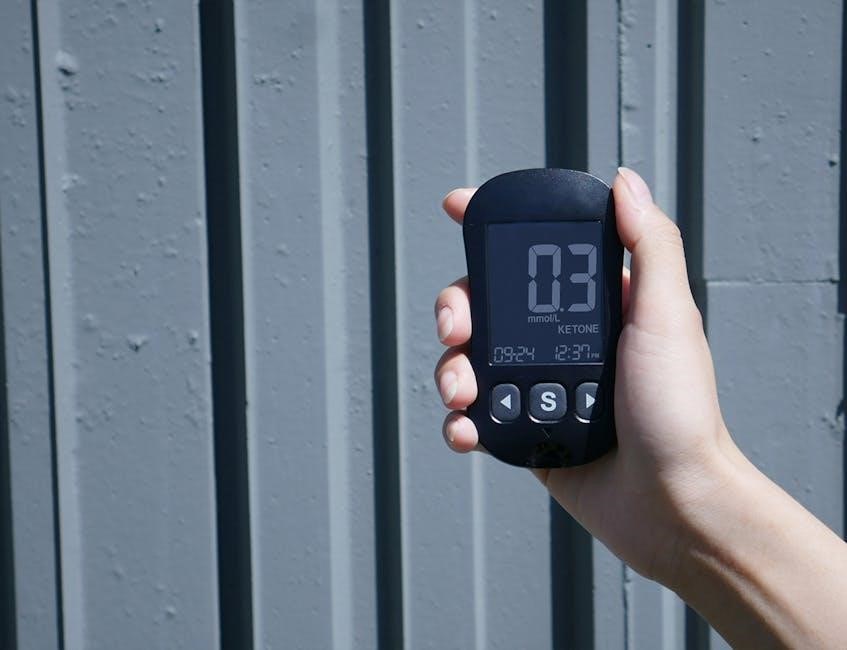
Microlife monitors empower proactive health management, offering convenient home blood pressure tracking, as highlighted by professional writers like Victoria Clayton, a seasoned journalist.
These devices, increasingly popular, provide valuable data for individuals and healthcare professionals, aiding in effective cardiovascular care and personalized wellness plans.
What is a Microlife Blood Pressure Monitor?
Microlife blood pressure monitors are sophisticated, yet user-friendly, medical devices designed for convenient and accurate blood pressure measurement in the comfort of your home. They represent a significant advancement in personal healthcare, allowing individuals to proactively monitor their cardiovascular health.
Unlike traditional methods requiring a healthcare professional, Microlife monitors utilize oscillometric technology to determine systolic and diastolic blood pressure, alongside pulse rate. These devices, often praised by health writers like Victoria Clayton, are known for their clinical validation and reliability.
Available in various models – automatic, semi-automatic, and even Bluetooth-connected versions – Microlife caters to diverse user preferences and needs. They empower individuals to track trends, share data with physicians, and contribute to more informed healthcare decisions.
Why Monitor Your Blood Pressure at Home?
Home blood pressure monitoring, facilitated by devices like Microlife monitors, offers numerous benefits beyond traditional clinical readings. It provides a more comprehensive picture of your cardiovascular health, capturing readings across various times and activities, unlike a single doctor’s visit.
Regular home monitoring can help detect “white coat hypertension” – elevated readings due to anxiety in a clinical setting – and “masked hypertension” – normal readings at the doctor’s, but high at home. As highlighted by health professionals and writers like Victoria Clayton, this leads to more accurate diagnoses.
Consistent tracking empowers you to actively participate in your healthcare, identify trends, and adjust lifestyle choices accordingly. It also allows for timely communication with your physician regarding any concerning fluctuations, potentially preventing serious cardiovascular events.

Understanding Your Microlife Monitor Model
Familiarizing yourself with your specific Microlife model is crucial for accurate readings and optimal use, ensuring you benefit fully from its features.
Identifying Your Specific Model Number
Locating your Microlife blood pressure monitor’s model number is the first step towards accessing the correct support and resources. This unique identifier distinguishes your device, ensuring you download the appropriate manual and troubleshooting guides;
Typically, the model number is found on a sticker located on the device itself. Check the bottom of the monitor unit, inside the battery compartment, or on the cuff connector. It’s often a combination of letters and numbers, such as BP A100 or BP C700.
Victoria Clayton, a professional writer, emphasizes the importance of precise information when seeking assistance with medical devices. Having your model number readily available streamlines the process of finding answers to your questions and maximizing the benefits of your Microlife monitor.
Record this number for future reference, as it will be required when contacting customer support or downloading software updates.
Key Components of the Monitor
Understanding the components of your Microlife blood pressure monitor is crucial for proper operation and maintenance. The core elements include the monitor unit itself, housing the inflation pump, measurement sensors, and display screen.
The cuff, available in various sizes, securely wraps around your upper arm to measure blood flow. A connecting tube links the cuff to the monitor. The display panel showcases systolic and diastolic readings, pulse rate, and indicator symbols.
Victoria Clayton, a seasoned journalist, highlights the importance of familiarizing yourself with device parts. Proper handling of these components ensures accurate readings and extends the lifespan of your monitor. Batteries power the device, and some models feature a USB port for alternative power sources.
Familiarize yourself with each part for optimal use.
Display Symbols and Their Meanings
Decoding the symbols on your Microlife monitor’s display is essential for interpreting readings accurately. A heart symbol indicates pulse rate, displayed in beats per minute. Systolic and diastolic values are shown numerically, representing blood pressure.
An error symbol, often depicted as “E” or a specific code, signals a measurement issue – refer to the troubleshooting section. A low battery indicator alerts you to replace the batteries promptly. Some models display a cuff fit indicator, ensuring correct application.
Victoria Clayton, a professional writer, emphasizes the importance of understanding these visual cues. Irregular heartbeat symbols may appear, prompting further medical evaluation. Memory symbols indicate data storage status. Familiarizing yourself with these symbols empowers informed self-monitoring.
Always consult the manual for a complete symbol glossary.
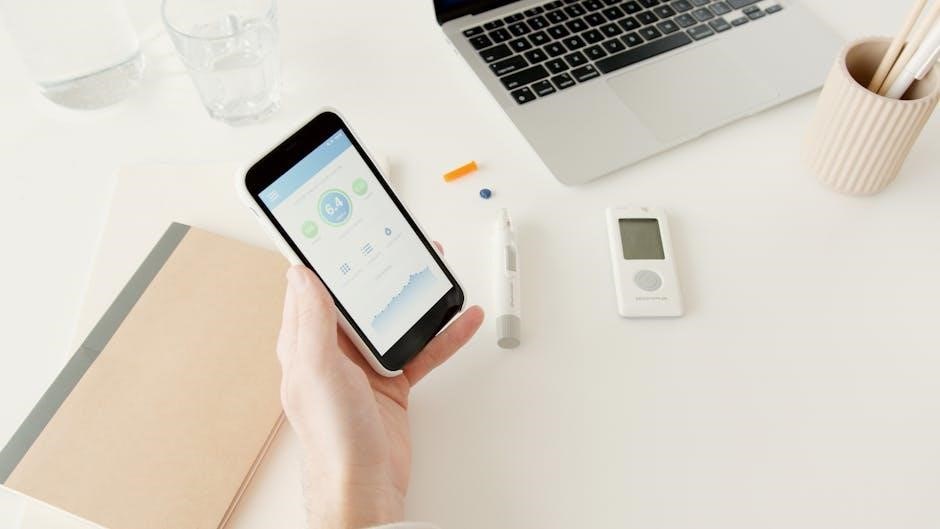
Setting Up Your Microlife Monitor
Proper setup ensures accurate readings. Begin by installing batteries, attaching the cuff correctly, and setting the date and time for reliable tracking.
Follow the manual’s guidance for optimal performance.
Installing Batteries Correctly

Ensuring correct battery installation is crucial for accurate operation of your Microlife blood pressure monitor. Typically, these monitors require four 1.5V alkaline batteries – AA size is most common.
Locate the battery compartment, usually on the underside or back of the device. Gently slide open the cover. Observe the polarity markings (+ and -) inside the compartment and insert the batteries accordingly. Incorrect polarity can damage the monitor and void the warranty.
Confirm that the batteries are securely seated and the compartment cover is firmly closed. A properly installed battery will illuminate the display when the power button is pressed. Replace all batteries at once, do not mix old and new batteries, and avoid using rechargeable batteries unless specifically recommended by Microlife.
Attaching the Cuff Properly
Proper cuff attachment is paramount for obtaining reliable blood pressure readings with your Microlife monitor. Select a cuff size appropriate for your arm circumference – too small or too large will yield inaccurate results.
Unfold the cuff and ensure the artery marker (usually an arrow) is positioned over the brachial artery, located on the inner side of your elbow. The cuff should be snug, but not constricting, wrapping smoothly around your upper arm.
Position the cuff approximately one inch (2-3 cm) above your elbow, with the lower edge of the cuff above the bend of your arm. Secure the cuff firmly with the Velcro closure, ensuring it’s not over clothing. A correctly fitted cuff is essential for accurate measurements.
Setting the Date and Time
Accurate date and time settings are crucial for tracking your blood pressure measurements effectively with your Microlife monitor. This allows for proper data logging and review within the device’s memory or connected app.
Typically, you’ll access the date and time setting by pressing and holding the ‘Memory’ or ‘Set’ button on your specific model. The year will then begin to flash, and you can use the ‘Start/Stop’ button to increment the numbers.
Continue pressing ‘Memory’ or ‘Set’ to cycle through the month, day, hour, and minute settings, adjusting each using the ‘Start/Stop’ button. Confirm your selections by pressing ‘Memory’ or ‘Set’ again to save the settings.
Taking Accurate Blood Pressure Measurements
Consistent technique is vital for reliable readings. Ensure a relaxed state, proper positioning, and correct cuff placement, following the manual’s detailed instructions carefully.
Proper Body Positioning
Achieving accurate blood pressure readings begins with correct body positioning during measurement. Sit comfortably with your back supported, feet flat on the floor, and legs uncrossed for at least five minutes before starting.
Avoid talking or moving during the measurement process, as this can artificially elevate your blood pressure. Ensure your arm is supported at heart level – typically on a table or armrest – to ensure consistent and reliable results.
Relax your arm and hand completely. A tense muscle can significantly impact the reading. Following these simple steps, as detailed in your Microlife manual, will contribute to more accurate and meaningful data for managing your cardiovascular health.
Cuff Placement Guidelines
Correct cuff placement is crucial for obtaining accurate blood pressure measurements with your Microlife monitor. Position the cuff on your upper arm, ensuring the lower edge is approximately one inch (2-3 cm) above your elbow.
The artery marker on the cuff should align with the brachial artery, located on the inner side of your elbow. Ensure the cuff is snug but not too tight – you should be able to slide one finger comfortably underneath the edge.
Avoid placing the cuff over clothing, as this can distort the reading. Follow the detailed illustrations in your device’s manual for optimal placement, guaranteeing reliable data for effective health monitoring.
Measurement Procedure – Step-by-Step
Begin by sitting comfortably with your back supported and feet flat on the floor. Attach the Microlife cuff correctly, as detailed in the cuff placement guidelines. Press the ‘Start’ button and remain still and silent throughout the measurement process.
Avoid talking, moving, or crossing your legs, as these actions can influence the reading. The cuff will automatically inflate and deflate. Once complete, the monitor will display your systolic and diastolic blood pressure, along with your pulse rate.
Record your results and consult your healthcare provider for interpretation and personalized advice. Repeat the measurement after a short interval if desired, ensuring consistent positioning.
Interpreting Your Blood Pressure Readings
Understanding systolic and diastolic values is crucial; Microlife monitors categorize readings as normal, elevated, or hypertensive, guiding informed health discussions with doctors.
Understanding Systolic and Diastolic Numbers
Systolic pressure, the top number, represents the force your heart exerts when beating, pushing blood through arteries. A higher systolic reading generally indicates increased cardiovascular stress. Conversely, diastolic pressure, the bottom number, measures the pressure in your arteries when your heart rests between beats.
Both numbers are vital for a complete assessment. Elevated systolic pressure, even with normal diastolic readings, can signify arterial stiffness, common with age. Consistently high diastolic pressure suggests increased resistance in the arteries.
Microlife monitors display both values, allowing for a comprehensive understanding of your cardiovascular health. Tracking these numbers over time, as suggested by health professionals like Victoria Clayton, provides valuable insights for managing your well-being and discussing concerns with your physician.
Blood Pressure Categories (Normal, Elevated, Stage 1 & 2 Hypertension)
Normal blood pressure is considered less than 120/80 mmHg. Elevated readings fall between 120-129 systolic and less than 80 diastolic – a warning sign requiring lifestyle changes. Stage 1 Hypertension is 130-139 systolic or 80-89 diastolic, often needing medication alongside lifestyle adjustments.
Stage 2 Hypertension, a more serious concern, is 140/90 mmHg or higher, typically requiring medication. Consistent monitoring with your Microlife device, as advocated by health writers like Victoria Clayton, is crucial for identifying trends.
Understanding these categories empowers proactive health management. Regular readings and discussions with your doctor are key to maintaining optimal cardiovascular health and preventing complications.
What to Do with Abnormal Readings
If you consistently record elevated or hypertensive readings, don’t panic, but don’t ignore them either. First, re-take the measurement after a few minutes, ensuring proper technique. Keep a log of these readings, as recommended by healthcare professionals and writers like Victoria Clayton.
Share this log with your doctor during your next appointment. They may recommend lifestyle changes – diet, exercise, stress reduction – or prescribe medication. Self-treating is dangerous; professional guidance is essential.
Monitor your blood pressure regularly, even with treatment, to track its effectiveness. Consistent data provides valuable insights for your doctor to optimize your care plan.

Troubleshooting Common Issues
Encountering problems? Review error codes, check cuff connections, and ensure proper battery installation for optimal performance, aiding consistent readings and reliable data.
Error Messages and Their Solutions
Microlife monitors utilize error messages to indicate potential issues during measurement. An “Err” display often signals a measurement error, frequently caused by movement during inflation or an improperly fitted cuff. Re-attempt the measurement ensuring stillness and correct cuff placement.
A “Cuff Error” indicates a problem with the cuff connection or the cuff itself; verify secure tubing attachment and inspect for leaks or damage. If the monitor displays an “Arrhythmia” symbol alongside readings, it suggests irregular heartbeat detection – consult your physician for evaluation.
Low battery power can also trigger errors; replace batteries immediately. For persistent errors not resolved by these steps, consult the full manual or contact Microlife customer support for further assistance and potential troubleshooting guidance.
Cuff Inflation Problems
Microlife blood pressure monitors sometimes experience cuff inflation difficulties. If the cuff doesn’t inflate fully, ensure the tubing is securely connected to both the cuff and the monitor unit. Check for kinks or blockages within the tubing, as these can restrict airflow.
Insufficient battery power can also lead to weak inflation; replace batteries with fresh ones. A cuff that inflates too slowly might indicate a gradual air leak – inspect the cuff for cracks or damage. If the cuff inflates rapidly and then deflates immediately, a significant leak is likely present.
Proper cuff size is crucial; an ill-fitting cuff can hinder inflation. Refer to the manual for appropriate sizing guidelines and consider a different cuff size if necessary.
Connectivity Issues (Bluetooth Models)
Microlife Bluetooth models may encounter pairing or synchronization problems. First, confirm Bluetooth is enabled on your smartphone or tablet. Ensure the Microlife Connect app has the necessary permissions (location, Bluetooth) within your device’s settings.
If pairing fails, try restarting both the monitor and your mobile device. Move closer to the monitor during the pairing process, minimizing potential interference. Check for app updates, as newer versions often resolve connectivity bugs.
If data isn’t syncing, verify a stable internet connection. Sometimes, clearing the app’s cache or reinstalling it can resolve synchronization issues. Refer to the Microlife website for FAQs and troubleshooting guides specific to your model.
Maintaining Your Microlife Monitor
Regular cleaning with a damp cloth, proper battery replacement, and occasional accuracy checks ensure your Microlife monitor delivers reliable readings for years to come.
Cleaning and Storage
To maintain the accuracy and longevity of your Microlife blood pressure monitor, regular cleaning is essential. Always disconnect the cuff and power source before cleaning. Use a soft, slightly damp cloth to gently wipe the monitor’s surface and the cuff.
Avoid using harsh chemicals, abrasive cleaners, or excessive moisture, as these can damage the device. The cuff can be hand-washed with mild soap and water, ensuring it is thoroughly dried before reattaching.
For storage, keep the monitor in a cool, dry place, away from direct sunlight and extreme temperatures. Avoid storing the device in humid environments. Properly store the cuff, avoiding sharp bends or creases. A protective case, if available, is recommended for safe keeping during travel or prolonged storage.
Battery Replacement Schedule
Microlife blood pressure monitors typically require battery replacement when the low battery indicator appears on the display. However, proactive replacement is recommended to ensure continuous, accurate readings.
Generally, batteries should be replaced every six months, even if the low battery indicator hasn’t illuminated, particularly with frequent use. Use only high-quality alkaline batteries of the correct size, as specified in your model’s manual.
Avoid mixing old and new batteries, or different battery types. Always dispose of used batteries responsibly, following local regulations. Consistent battery checks contribute to reliable performance and prevent unexpected interruptions during blood pressure monitoring sessions, safeguarding your health data.
Calibration and Accuracy Checks
Microlife blood pressure monitors are factory calibrated, but periodic accuracy checks are advisable to maintain reliable readings. While full recalibration typically requires professional service, you can perform self-checks by comparing your monitor’s readings with those taken at a doctor’s office.
If significant discrepancies exist, contact Microlife customer support. Avoid attempting self-calibration, as it may void the warranty or compromise accuracy. Ensure proper cuff size and technique during comparison measurements.
Regular checks, alongside consistent maintenance, contribute to the longevity and trustworthiness of your device, empowering informed health management and providing confidence in your blood pressure data.
Advanced Features (Model Dependent)
Certain Microlife models boast Bluetooth connectivity, memory storage for tracking trends, and irregular heartbeat detection, enhancing comprehensive cardiovascular health monitoring capabilities.
Memory Function and Data Review
Microlife blood pressure monitors often include a robust memory function, allowing users to store multiple readings for comprehensive tracking over time. This feature is invaluable for identifying patterns and trends in blood pressure fluctuations, providing a clearer picture of cardiovascular health.
Typically, you can access stored data directly on the monitor’s display, navigating through previous readings using the device’s buttons. Many models allow you to view average readings calculated over specific periods – morning, evening, or the entire day – simplifying data interpretation.
For advanced data review, especially with Bluetooth-enabled models, pairing the monitor with a smartphone app unlocks further capabilities. These apps often present data in graphical formats, facilitating easier analysis and sharing with healthcare professionals. Regularly reviewing your blood pressure data empowers you to proactively manage your health and collaborate effectively with your doctor.
Bluetooth Connectivity and App Usage
Microlife’s Bluetooth-enabled blood pressure monitors seamlessly connect to smartphones and tablets via a dedicated app, enhancing data management and analysis. This wireless synchronization automatically transfers readings, eliminating manual logging and minimizing errors.
The accompanying app, typically available for both iOS and Android, provides a user-friendly interface for viewing trends, creating reports, and sharing data with healthcare providers. You can often customize settings within the app, such as setting reminders for measurements and establishing personalized blood pressure goals.
Furthermore, the app may offer additional features like medication tracking and lifestyle recommendations, promoting a holistic approach to cardiovascular health. Ensure your device’s Bluetooth is enabled and follow the app’s pairing instructions for a successful connection.
Irregular Heartbeat Detection
Microlife blood pressure monitors equipped with Irregular Heartbeat Detection (IHD) analyze your pulse during measurement, alerting you to potential arrhythmias. This feature doesn’t diagnose atrial fibrillation, but signals a need for medical evaluation.
If the monitor detects an irregular heartbeat, a specific symbol will appear on the display alongside your blood pressure readings. It’s crucial to note the occurrence and frequency of these alerts, as this information is valuable for your doctor.
Do not self-treat based solely on IHD results; consult a healthcare professional for proper diagnosis and management. The IHD function serves as a screening tool, prompting further investigation if necessary, contributing to proactive cardiac care.